The search results for "best compression leggings" return the same 15 brands in a slightly different order, with identical descriptions and no answer to the question that actually matters: what do you need compression for?
That question changes the answer entirely. The legging that's right for a flight attendant on a DXB to LHR rotation is not the same legging that's right for someone managing lymphedema. This guide organizes by use case.
Compression Leggings vs. Regular Leggings, What the Difference Actually Is
A standard athletic legging applies uniform pressure; it hugs your leg the same way from ankle to hip. A compression legging applies graduated pressure, tightest at the ankle, progressively lighter as it moves upward. That gradient is what supports venous return, pushing blood back toward the heart against gravity.
At 15 to 20 mmHg (moderate, US range), a legging provides meaningful support for travel, prolonged standing, and mild swelling. At 20 to 30 mmHg (firm, US range), it's medical-grade, used for diagnosed venous insufficiency, moderate edema, and DVT recurrence prevention. (Source: PMC4081237)
This distinction matters because most leggings sold as "compression" in mainstream retail are applying light uniform pressure, not true graduated compression. The difference is measurable. And it's the reason some people try compression leggings, feel nothing, and assume the whole category is overblown.
Which mmHg Level Do You Need?
| mmHg Range | How it is labelled | Best for |
|---|---|---|
| 8 to 15 mmHg | Mild (US range) | Tired legs, light prevention |
| 15 to 20 mmHg | Moderate (US range) | Travel, prolonged standing, flight crew, mild swelling |
| 18 to 21 mmHg | RAL CCL 1 (German/EU medical class) | Lymphedema management, stronger everyday support |
| 20 to 30 mmHg | Firm (US range) | Moderate edema, CVI, DVT recurrence prevention |
| 30 to 40 mmHg | Extra firm (US range) | Severe lymphedema, prescribed |
Class numbers depend on the standard: German RAL Class 1 is 18–21 mmHg, British Class 1 is 14–17 mmHg and French Class 1 is 10–15 mmHg, so always check the mmHg figure on the box. Compare classes in our compression class converter →
For most readers: 15 to 20 mmHg is the entry point. It's effective for travel and standing-heavy work, doesn't require a prescription, and is the range most occupational health recommendations refer to when they say "wear compression on flights." (Source: Norton School of Lymphatic Therapy)
The 2026 Comparison: Four Leggings, Four Use Cases
For everyday wear
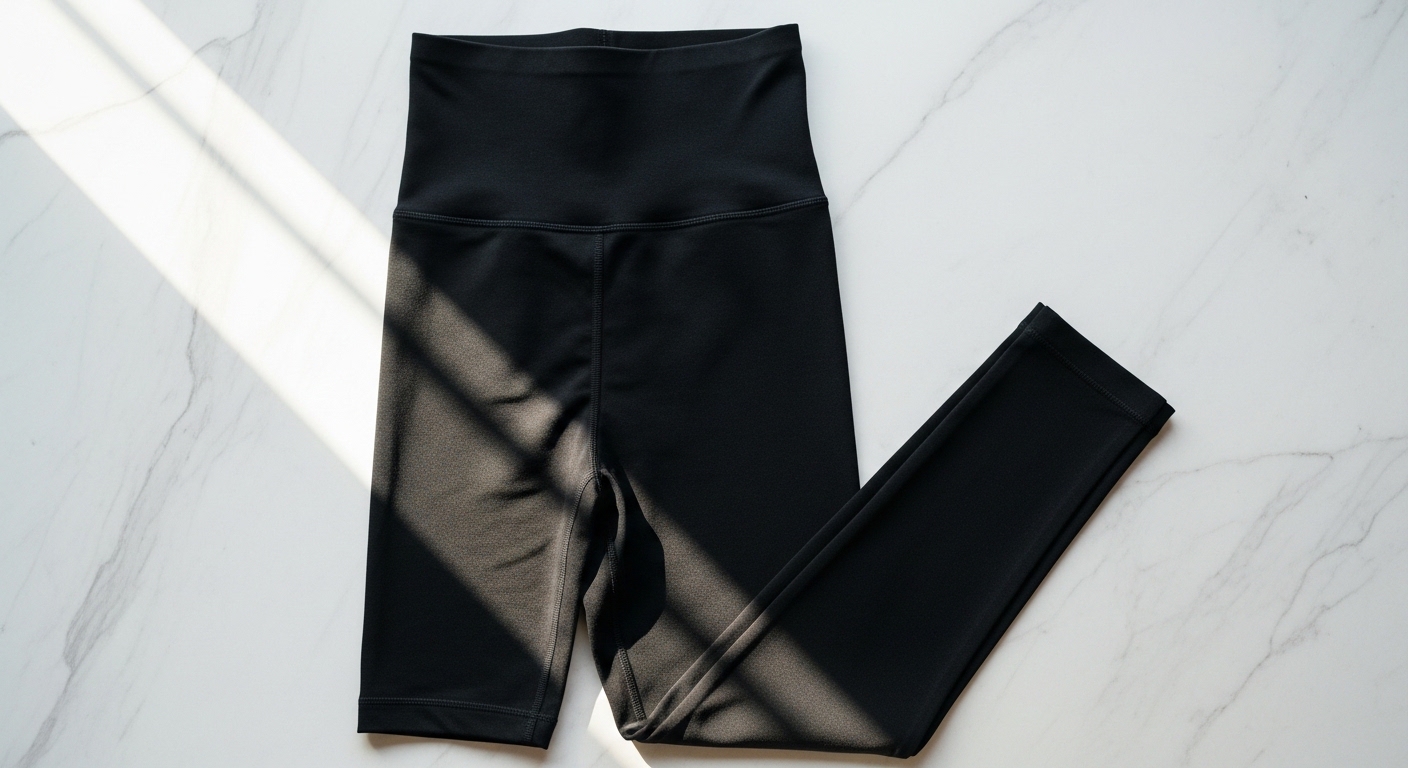
Rejuva Seamless Compression Leggings
15 to 20 mmHg graduated compression in a construction closer to athletic than medical. Seamless knit, flat waistband, no external seam line. For daily compression without the clinical feel.
Best for: Daily wear, standing-heavy jobs, mild travel
Pros
- ✓ 15 to 20 mmHg graduated compression
- ✓ Seamless, athletic aesthetic
- ✓ Flat waistband
Cons
- ✗ Less firm than clinical options
- ✗ Not ideal for lymphedema
For travel and flight crew
SIGVARIS Soft Silhouette Leggings
SIGVARIS is a clinical brand; their Soft Silhouette line is where they meet the consumer market. 15 to 20 mmHg compression with a slim profile. Layers under uniform trousers without visible bulk. Flat waistband, no rolling through a 12-hour service.
Best for: Flight crew, long-haul travel, uniform compliance
Pros
- ✓ Medical-grade 15 to 20 mmHg
- ✓ Slim under-trouser profile
- ✓ Flat non-rolling waistband
Cons
- ✗ Premium price
- ✗ Clinical rather than fashion aesthetic
For lymphedema and recovery
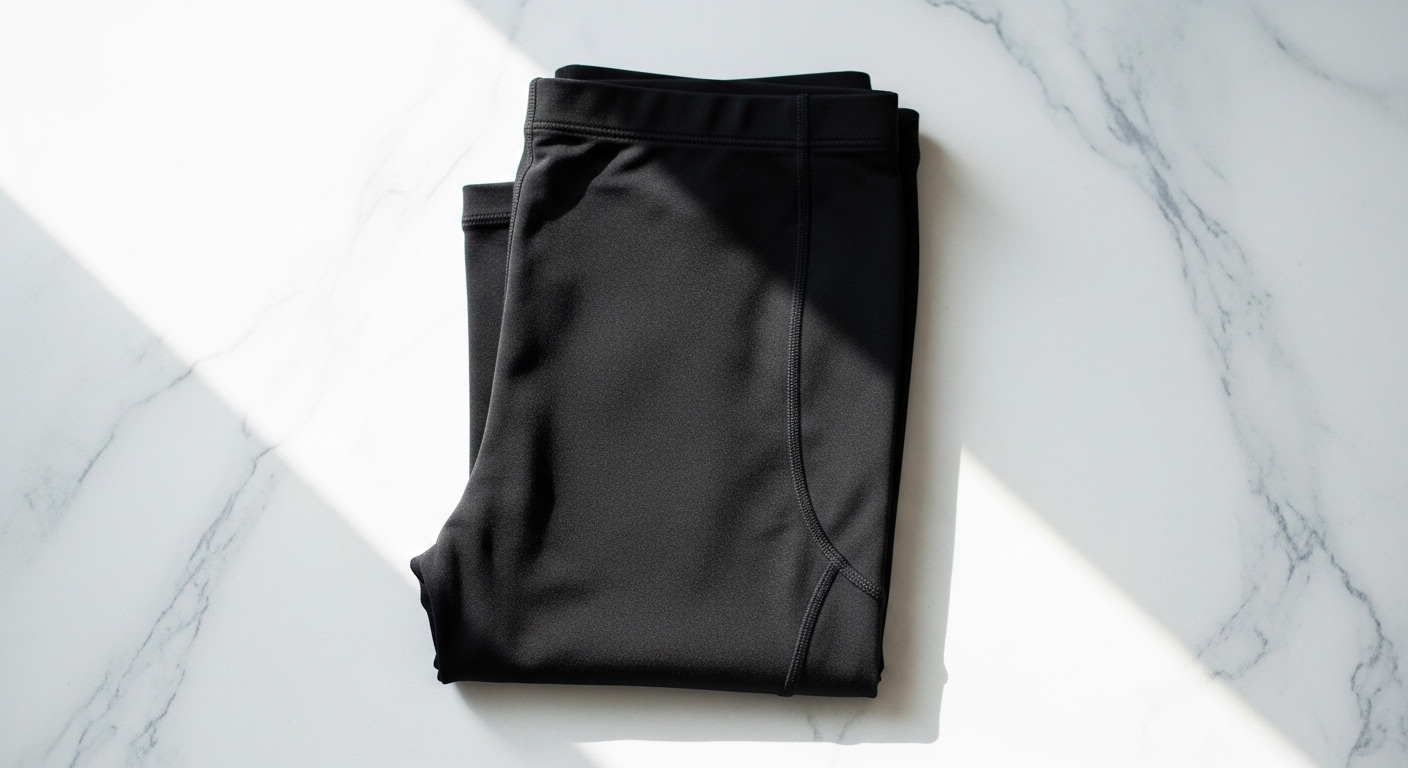
CzSalus Lipedema & Lymphedema Support Leggings
Made in Italy for lipedema and lymphedema support, with a high waist and a reinforced knit that ends at mid-foot. The manufacturer's 2025 catalogue rates it K1, 15 to 20 mmHg; some Amazon listings state 18 to 21 mmHg, so check the label on the version you buy. Shorter-leg sizes are available.
Best for: Lymphedema, lipedema, post-surgical recovery
Pros
- ✓ Designed for lipedema and lymphedema support
- ✓ Shorter-leg sizes available
- ✓ Size range up to 3XL, made-to-measure on request
Cons
- ✗ Medical aesthetic only
- ✗ Requires correct sizing
For a dedicated guide to lymphatic compression for long-haul travel, see: Best Lymphatic Leggings for Long-Haul Flights: 2026 Guide on LymphaticLeggingsGuide.com.
Shapewear-compression hybrid
Leonisa High Waisted Compression Leggings
Graduated leg compression plus a high-waist shaping panel. Not medical-grade, but substantially more than a standard athletic tight. One garment for both leg support and body shaping.
Best for: Women who want compression and shaping in one garment
Pros
- ✓ Dual function: compression and shaping
- ✓ High-waist panel
- ✓ Comfortable for extended wear
Cons
- ✗ Not medical-grade compression
- ✗ Fashion not clinical
What to Check Before You Buy
Sizing: compression leggings are sized by the brand's own chart, not by your usual clothing size. Most brands start from the ankle and calf; some use height and weight. Measure in the morning, before swelling builds, and follow each brand's rule when you fall between two sizes.
Not sure which size to order? Our compression leggings size finder compares five brands' charts from one set of measurements.
Waistband: flat, wide waistbands stay up better than narrow elastics, particularly if you're wearing them for 8+ hours. Check product photos and reviews specifically for waistband behaviour.
Open vs. closed toe: open-toe variants are easier to wear with most shoes; closed-toe give complete foot compression if that's a concern.
Care: most medical compression leggings should be hand-washed or machine-washed cold, lay flat to dry. High heat degrades the elastic and shortens compression life significantly.
Common questions
What mmHg compression legging is best for flying?
15 to 20 mmHg (moderate, US range) is the level most often suggested for air travel and cabin crew. It provides enough graduated pressure to support venous return during prolonged immobility without requiring a prescription. Rejuva Seamless and SIGVARIS Soft Silhouette are both 15 to 20 mmHg and built for extended wear.
Can compression leggings help with lymphedema?
Yes, but the construction matters. Flat-knit compression is preferred for lymphedema management over circular-knit because it provides more consistent, durable pressure. If you're managing a diagnosed condition, consult a lymphedema therapist before selecting your compression level.
Are compression leggings the same as shapewear?
No. Shapewear applies uniform compression for aesthetic contouring. Medical compression leggings apply graduated compression (strongest at the ankle) for circulatory support. Some products bridge both functions, Leonisa's high-waisted leggings are a good example, but they're distinct categories with different design purposes.
How long can you wear compression leggings?
At 15 to 20 mmHg, most people wear them for a full waking day without issue, typically 8 to 16 hours. Remove them before sleeping unless a medical provider has advised otherwise. If you experience numbness, tingling, or increased discomfort, remove immediately.
Where to Look Next
If your primary concern is lymphatic compression for long-haul travel, especially as a frequent flyer or cabin crew, the comparison above is a starting point. For a dedicated guide to the best lymphatic leggings for long-haul flights, with flight-specific advice and a 2026 product update, head to LymphaticLeggingsGuide.com.